How shall we deal with food waste today?
It all started with a rainy day in Tokyo. Cycling to the bus stop to go to the mountainside in the center of Japan with our bikes. The road led us to Toyama city in Hokuriku Region, one of the Eco-Model Cities of Japan.
Why Toyama? After learning about the possibility to visit a local biogas plant dealing with organic food waste, we attempted to visit it and successfully got invited to witness their operation. We got the appointment from 2pm on Friday, 26th May 2023 to meet with the operating company called Green Food Recycle. Their business being to gather organic waste from the local businesses and through a fermentation process, produce biogas and green fertilizers delivered back to the community.
Toyama Green Food Recycle Plant (https://tgfr.net/) in Toyama City, 2013’s data
Food waste max. 40t per day from:
- 15,000 households
- 140 supermarkets, convenience stores, hotels
- 70 manufacturing plants
Cycling our way there from the beautiful snow-capped mountains of Hakuba let us question our approach to the issue of food waste. We already know how huge is the issue as 33% of all food produced in the world (1.3 billion tons) is WASTED every year. But do those numbers represent something to you? Not quite unless you experience food waste first-hand.
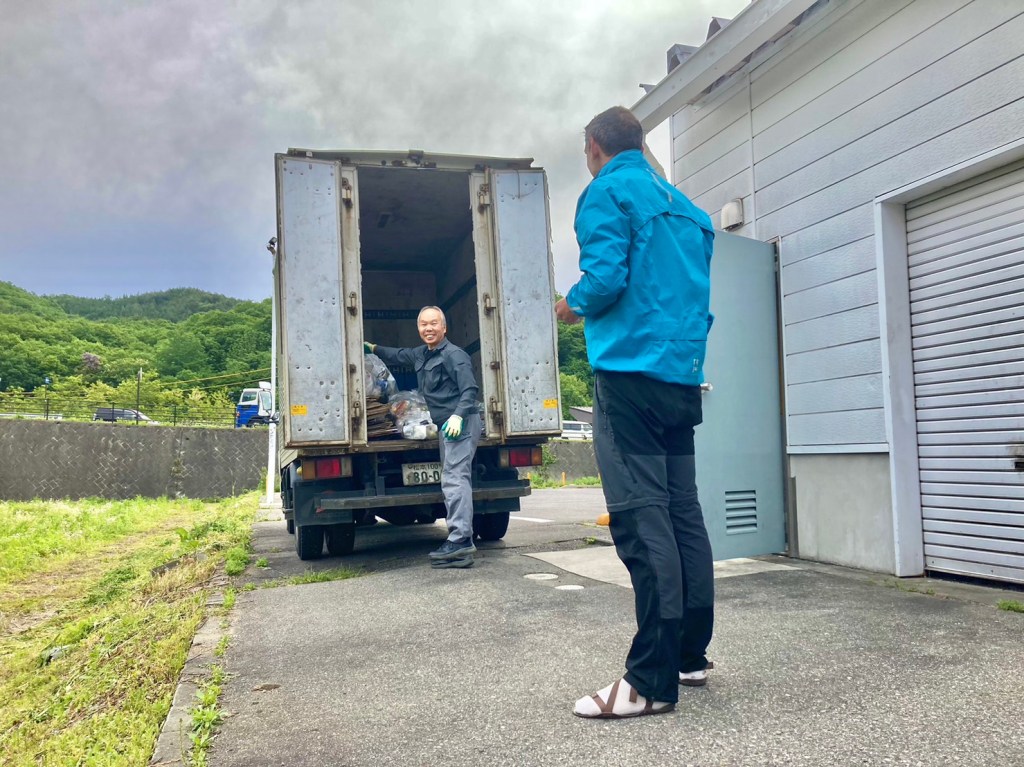
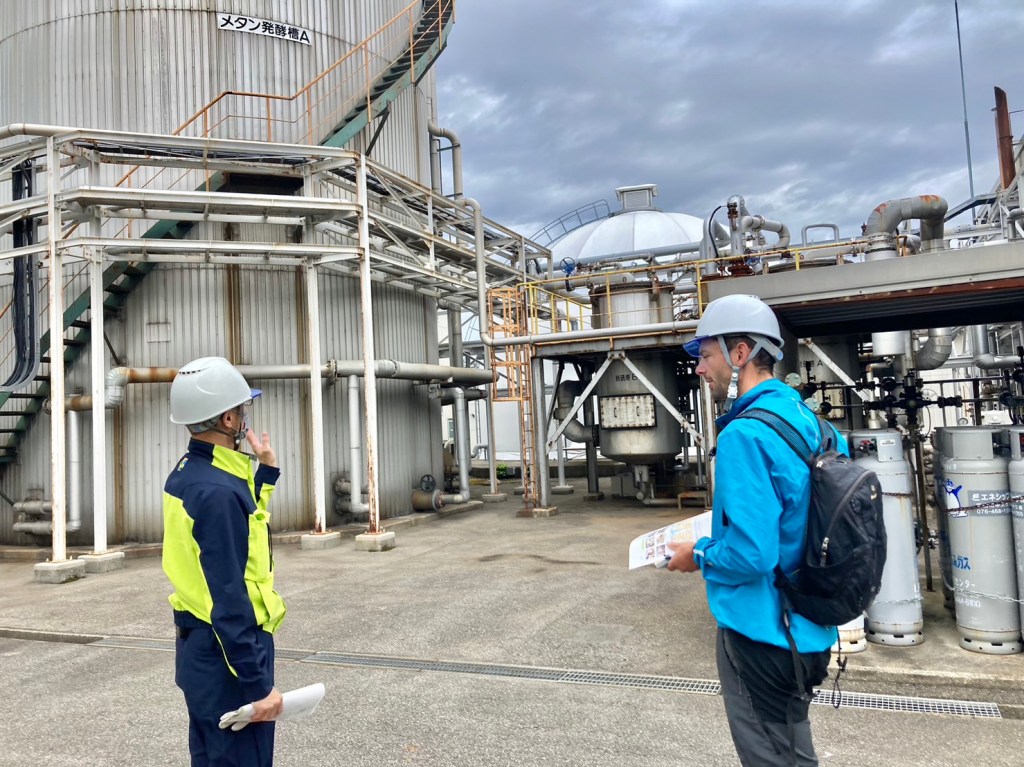
Riding along the coast, we arrived at the biogas plant and are welcome by the president Tominaga-san and Tachi-san who will be showing us around.

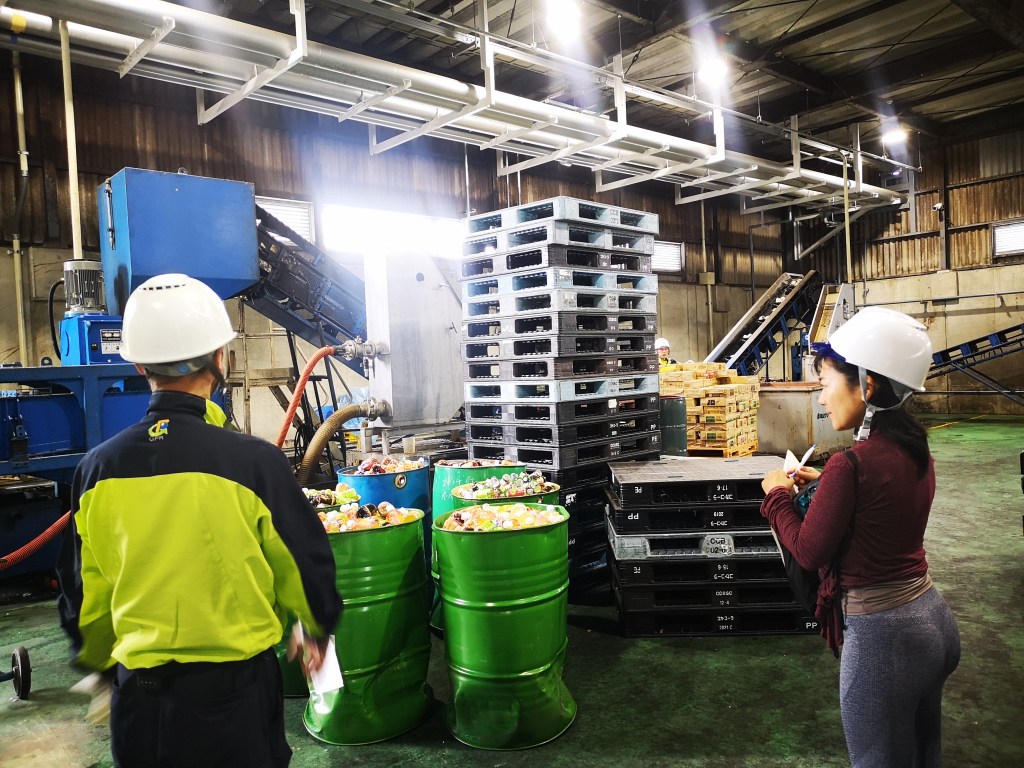
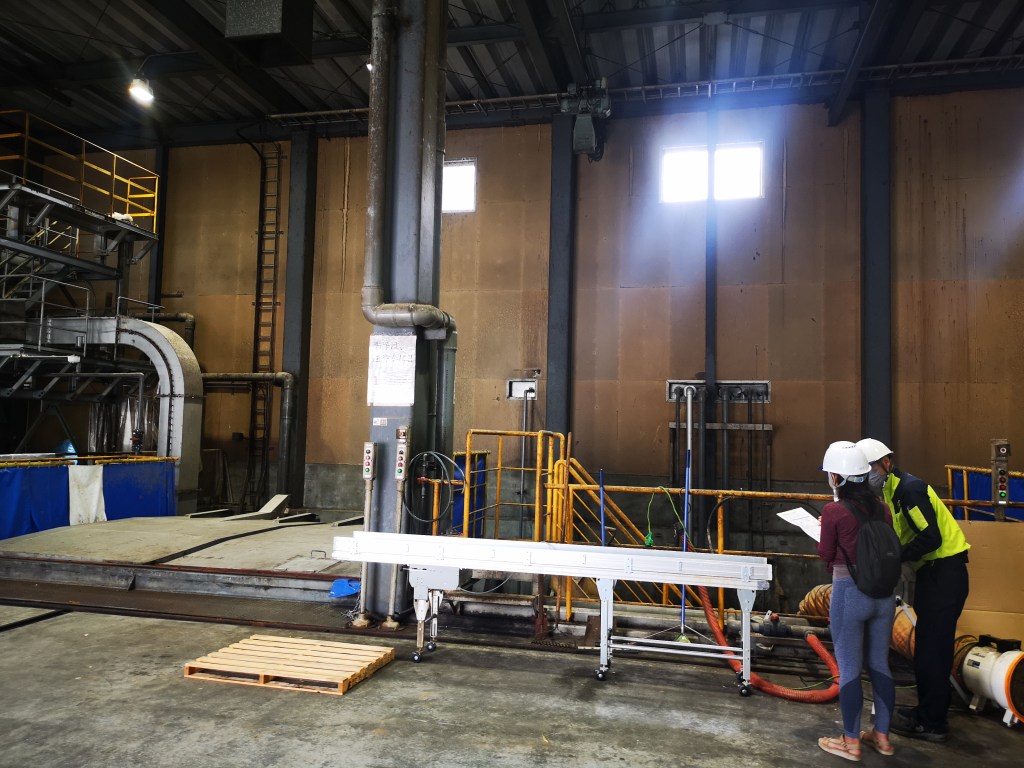
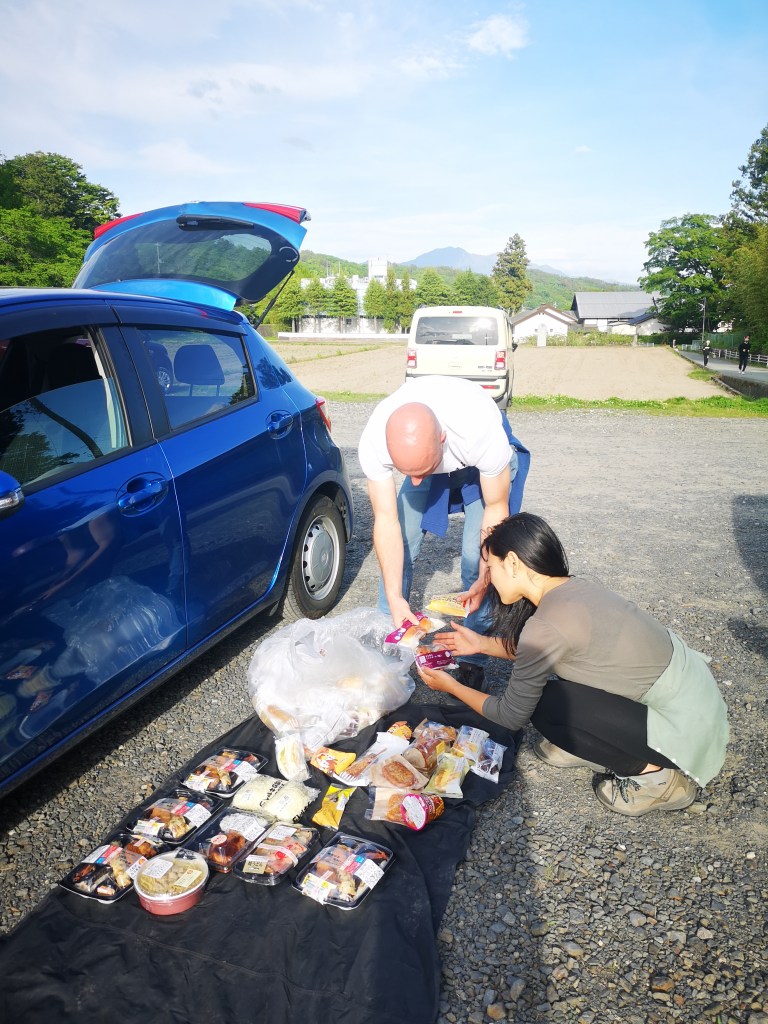
Once again, we came to witness the plight of food waste.
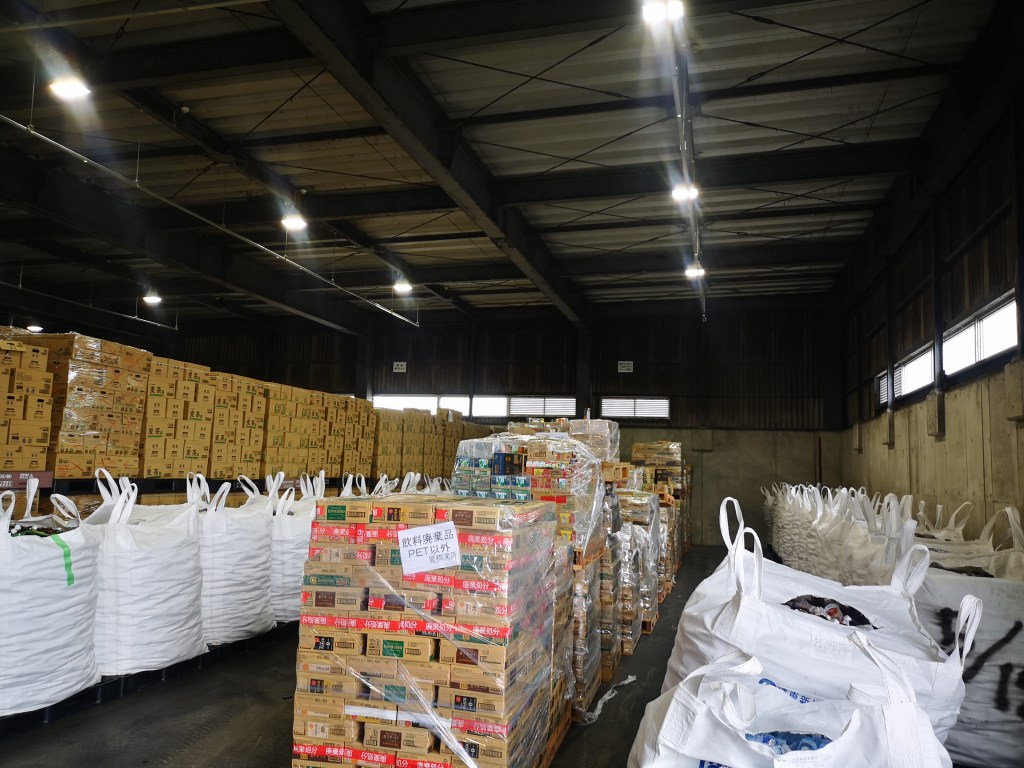
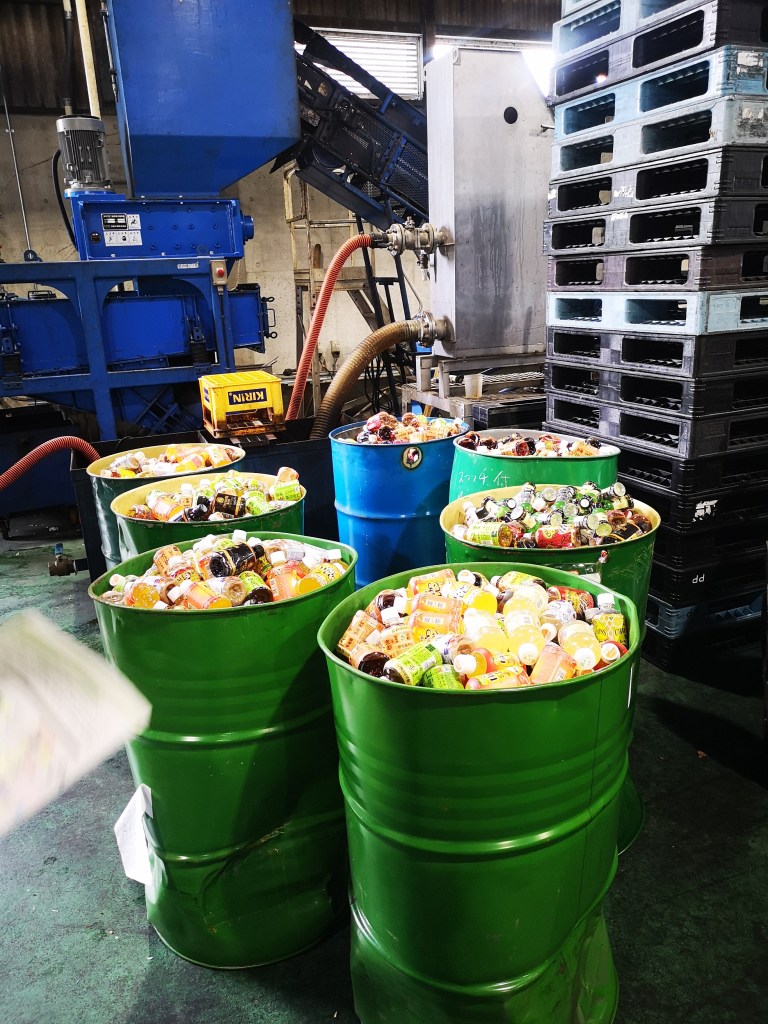
We were aghast not only from the quantity of waste but from the reason to discard those properly-consumable products. Again, hearing numbers and experiencing it first-hand those is two different experience.
Although, those will become another resources (biogas and fertilizer), we couldn’t show complacency. From there came our understanding that this is not satisfying. That, while organic waste recycled into biogas is a great model, wouldn’t it exist a more effective approach to tackle food waste? Isn’t recycling, again, a distraction from the real change we need in the way we see and handle our food?
The more we think, the more we see the biogas as an approach dealing with the symptoms but not the source of the problem. Why not tackling the problem with a thinking different from the one that created it? For instance, one company based in Thailand, Lightblue Consulting teach professionals on how to handle food. The result is a 30 percent of food waste reduced at the source just by behavioral change. No need to build a plant but to share knowledge and good practices.
https://www.lightblueconsulting.com/
How might we repeat this success with residents to further promote behavioral change? We believe local stakeholder engagement is a prerequisite. How? Dialogue, education and collaboration. One place we have seen doing this effectively is Minamisanriku in Miyagi, Tohoku. This farming and fishing town largely wiped away by the Great East Japan Earthquake and Tsunami in 2011 has since also created a biomass plant to circulate their food waste to energy and fertilizer.
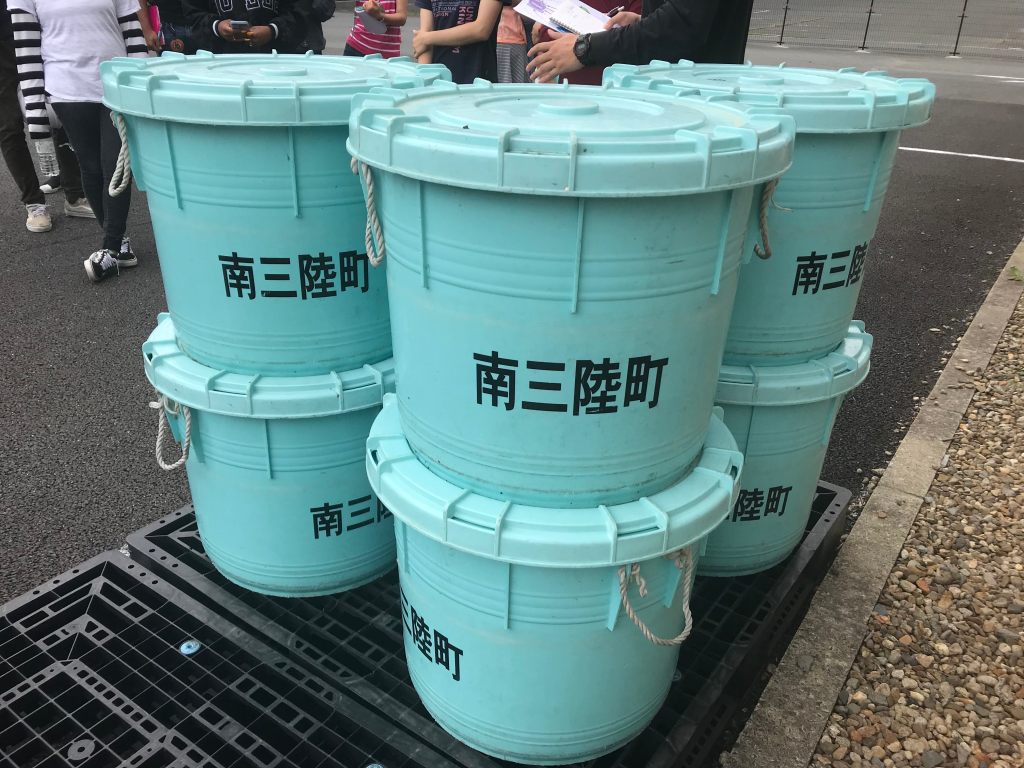
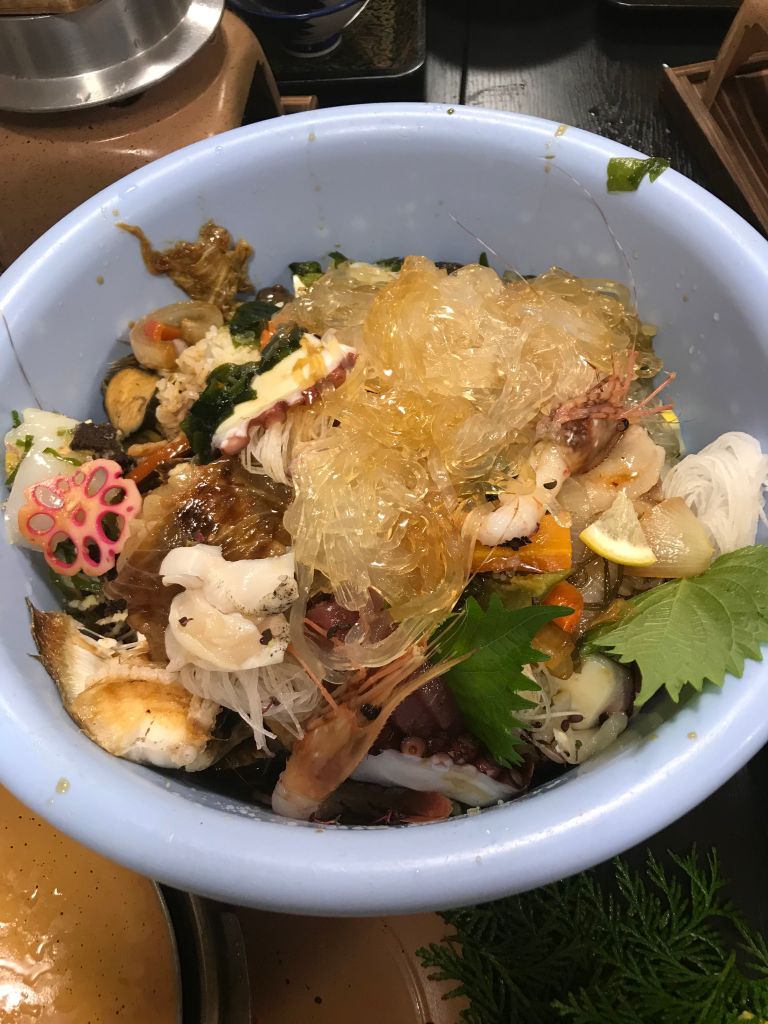
The right small bucket is leftover food from one dinner for 20 at a local minshuku, during a trip for students from Tohoku and U.S. An impactful experience it was to see the amount of waste – they later crafted some project ideas on how to prevent this from happening in the first place.
On top of their empowering story of resilience, this town has shown us the meaningful effect of local involvement, bringing the magnitude of the issue to the eye. We believe in the power of witnessing first hand to bring lasting awareness and behavioral change – and that this is one reason why traveling sustainably can lead to a positive impact.
Links for reference
- Eco towns in Japan, https://www.env.go.jp/en/recycle/manage/eco_town/index.html
- Eco-model and Future cities in Japan following UN’s SDGs https://future-city.go.jp/en/about/
- The Market for Biogas Plants in Japan and Opportunitiesfor EU Companies, PDF online

 STAY WELL, GIVE WELL
Leave a comment